How it works
Can you text a business landline? What it means for your shop
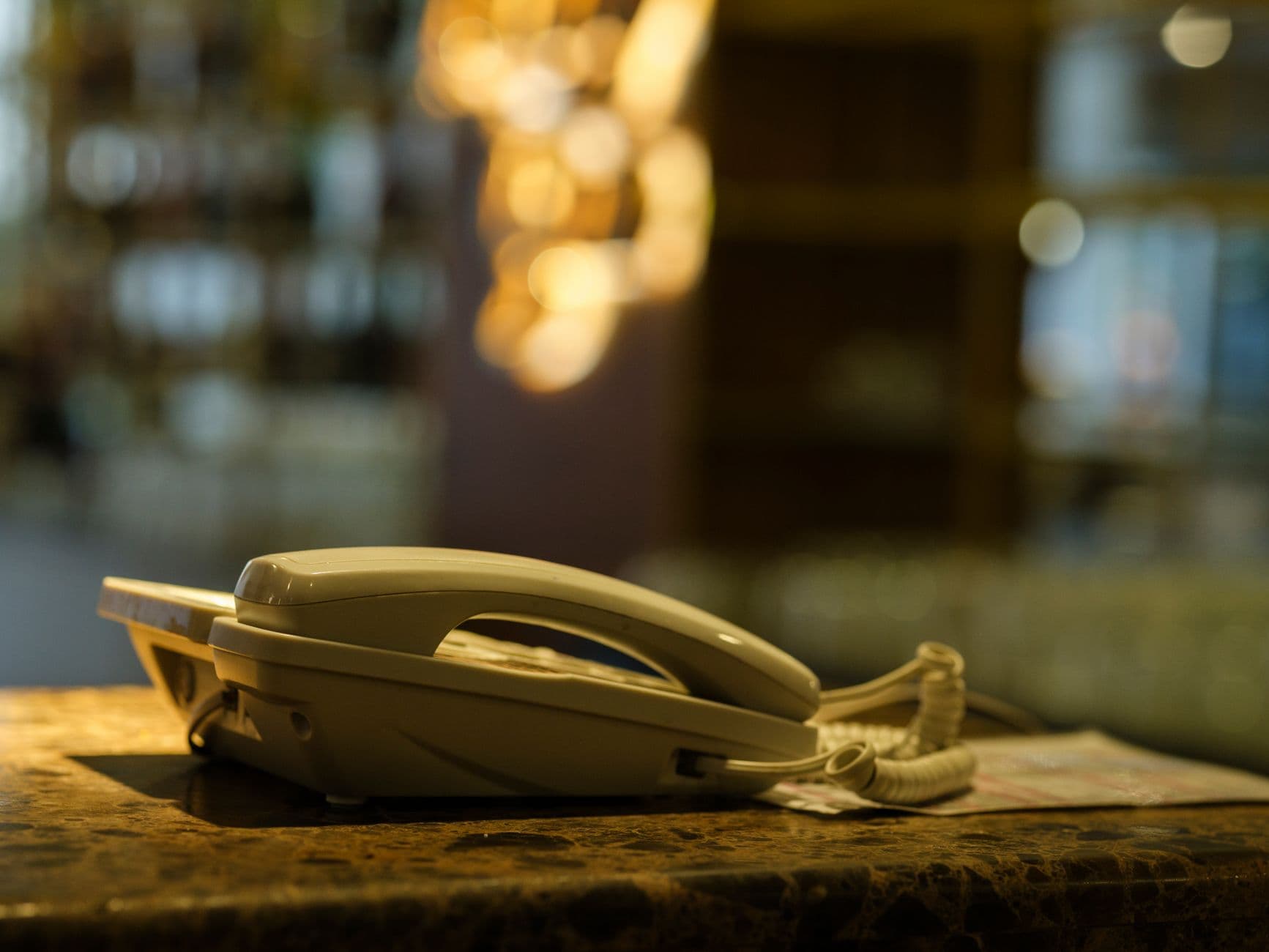
Your customers are already texting that number
The number on your truck, your yard signs, your invoices and your Google profile is your shop number. For a lot of shops, that number rings a desk phone at the counter - a landline, or a business line that behaves like one.
Customers do not know that and do not care. Half of them text everybody, and when they see a number, they text it. "Do you work on Hondas?" "Can somebody look at my AC today?" Whether that message goes anywhere comes down to a question most shop owners have never had a reason to ask: can this number take a text at all?
What happens when someone texts a landline
A plain landline has no screen and no inbox, so it cannot show a text the way a cellphone does. What happens instead depends on the carriers involved, and it is rarely what the customer expects.
Verizon's own support pages describe one version. When one of its wireless customers texts a landline, Verizon turns the text into a phone call: a recorded voice asks whoever picks up whether they want to accept a message from a wireless customer, then reads it out. If nobody answers, it is left as a voicemail. A reply, if the person makes one, goes back as a voice recording rather than a text.
Other carriers handle it differently, and sometimes the text simply fails. The customer may see an error, or may not. Either way, from where you are standing the result is the same. Best case, somebody at your counter hears a robot read a text message. Worst case, a customer believes they asked you a question and you never answered - which looks exactly like a shop that ignores people.
What text-enabling a landline actually means
Here is the part most owners do not know: your phone number and the services riding on it can be separated. Business texting providers can set up texting on a number you already own - usually called hosting - while your calls keep ringing exactly where they ring today. Only the texting gets routed somewhere new, and the phone on the counter does not change.
The paperwork is light. You sign a letter of authorization confirming you own the number and allowing texting to be set up on it. For an ordinary local number, providers commonly quote a day or two. Toll-free numbers take longer because they go through their own verification.
Hosting is not the same as porting. Porting moves the whole number, calls and all, to a new company. Hosting only adds texting, and the number stays with your phone company. You do not need a new number, and you do not have to print new trucks.
Which numbers can be text-enabled
Most can, but not every one, and the kind of line you have decides it. Here is how it usually shakes out.
- A traditional business landline you own: Usually yes. This is the case text-enabling was built for.
- A toll-free number: Usually yes, with an extra verification step and a longer wait than a local number.
- A cellphone you use as the shop number: Already texts. Your problem is not the number, it is that the texts buzz in while you are under a sink - and a cellphone is not something a provider text-enables anyway, because the wireless carrier already handles its texting.
- A VoIP or phone-system number: It depends. Some business phone systems already include texting, and some providers cannot host numbers from certain systems. Find out who your phone company actually is before you assume either way.
- A Google Voice number: Commonly excluded by third-party texting providers. If that is what is on your truck, ask before you plan around it.
The registration step nobody mentions
Business texting from an ordinary 10-digit number does not just switch on. The wireless carriers require it to be registered first, through a central registry called The Campaign Registry. Your business gets registered - legal name, tax ID, website - and so does what you plan to text about: the purpose, sample messages, and how people opt in and opt out. Approval takes a matter of business days, and business texts from unregistered numbers get filtered or blocked by the carriers.
You do not need to become an expert in it. You do need to know it exists, because it is the difference between texts that arrive and texts that quietly vanish. An app that promises to text from your business number in five minutes still has to deal with registration somewhere. Ask who handles it, and whether it is done before the first message goes out.
Five questions to ask before you text-enable your number
Whoever sets it up - a phone company, a texting app, or a done-for-you service - should be able to answer all five in plain English, before you pay anything.
- Do my calls stay exactly where they are?: The answer should be yes. If anyone wants to move your whole number to text-enable it, that is porting, and it is a bigger decision than it sounds.
- Can my kind of number be enabled?: Landline, toll-free, VoIP, or Google Voice - they are not all treated the same, so ask about yours specifically.
- Who handles carrier registration?: And is it included, or a separate line on the bill? A setup that skips it is a setup whose texts do not arrive.
- Where do the texts actually land?: An app on your phone, a shared inbox at the counter, both? And what happens to the one that comes in at 9 p.m. on a Saturday?
- What happens if I leave?: Because hosting does not hand over the number, the number stays yours - but ask how texting gets moved off it, so you are never stuck.
Text-enabled is not the same as answered
This is the part that gets missed. Turning texting on means texts can reach your number. It does not mean anybody answers them. A shop with a text-enabled landline and nobody watching the inbox has traded a failed text for an ignored one, and the ignored one is worse, because now the customer knows it got through.
It is the same problem as the missed call wearing a different hat. The texts come in at the same moments the calls do - when you are on a roof, under a car, or finally at dinner - and the customer on the other end is just as willing to try the next shop on the list.
Where Handlebar fits
Handlebar starts from the call you could not get to. When a call to your shop goes unanswered, it texts that caller back within 60 seconds, from your shop number, and holds a real back-and-forth - answering their questions, working out what they need, and booking the job onto your calendar. It never picks up or intercepts a ringing call.
You keep your number and your current setup. Wiring Handlebar to the number you already have is part of the one-time setup, which is done for you rather than handed to you as a dashboard. If you are not sure what your shop number actually runs on, bring that question to the call - it is the first thing worth knowing about any texting setup, ours included.
If you would rather text people back by hand, our guide to what to text after a missed call has the wording, and our breakdown of how an answering service works covers the other ways shops catch calls. If you want it handled every time, book a 30-minute call and I'll walk you through how it would run on your number.
Common questions
Can you text a landline number?
Not the way you text a cellphone. A plain landline cannot display a text, so what happens depends on the carriers involved - Verizon, for example, turns a text from one of its customers into a phone call that reads the message aloud, and sometimes the text simply fails. A business landline can be text-enabled, though, so that texts to it arrive as texts and can be answered.
Will text-enabling my landline change my phone service?
It should not. Text-enabling, usually called hosting, routes only the texting on your number to a new provider. Calls keep ringing where they ring now, on the same phone, through the same phone company. If someone tells you the whole number has to move, that is porting - a different and bigger decision.
How long does it take to text-enable a business number?
For an ordinary local number, providers commonly quote a day or two for the hosting itself, and toll-free numbers take longer. Carrier registration of your business and what you will text about is a separate step that takes a matter of business days, so ask whether it is already handled before you plan around a start date.
Do I need a new number to text my customers?
No - that is the whole point of text-enabling the one you have. It keeps the number on your trucks, signs and Google profile working for calls and texts. With Handlebar, you keep your number and your current setup; the missed-call text-back goes out from your shop number.
Stop losing jobs to missed calls
Book a 30-minute call and I'll show you how Handlebar would work for your shop.